PAPR Vendor Vetting & OEM Capability Dossier

PAPR Vendor Vetting & OEM Capability Dossier

Qualifying a respiratory protection partner is a documentation exercise as much as a product one. This dossier walks sourcing teams through the questions that separate a real papr respirator manufacturer from a reseller, and the commercial points to fix in writing with a papr respirator supplier before a sample order — factory status, certification scope, performance data, customization depth and spares continuity, using the GL-PA100 PAPR as the reference build throughout.

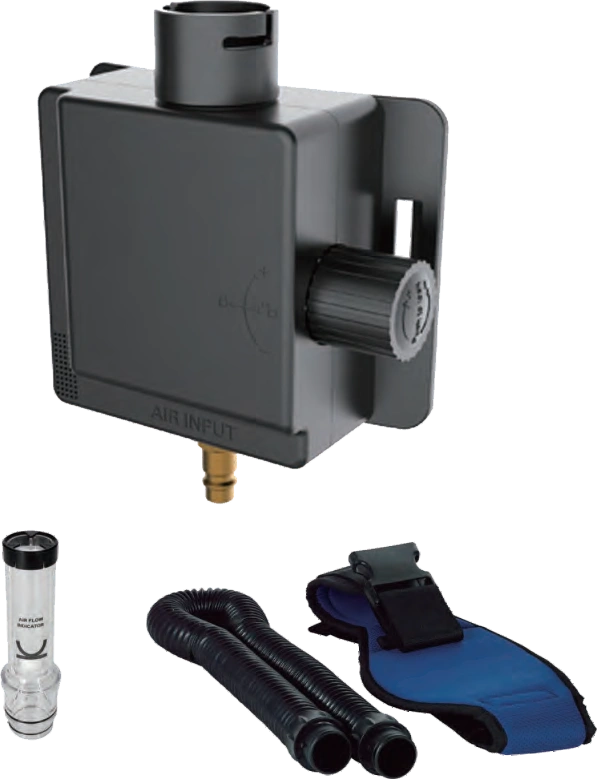
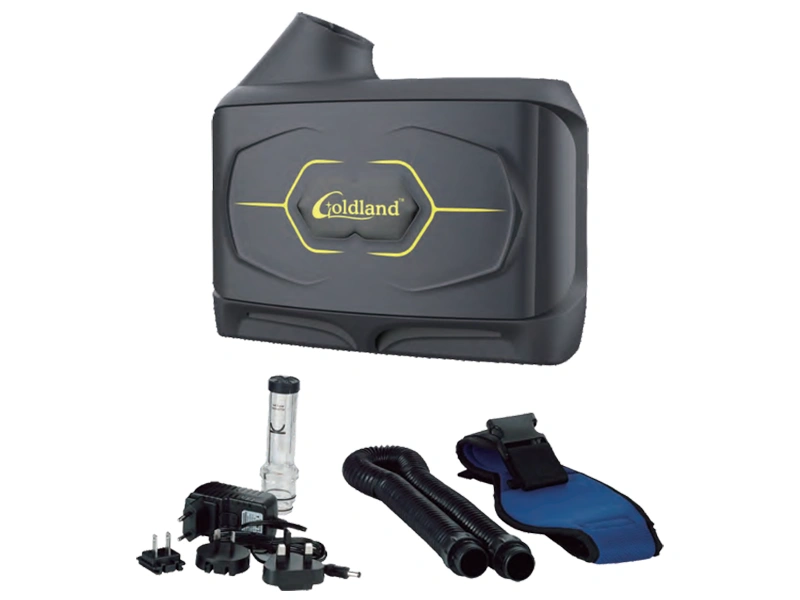
Respiratory Protective Device Compressed Air System PA100 by Goldland

Vendor Qualification Checklist

Score a potential partner against seven gates before you request a sample. Each gate lists the question to ask and the answer that should satisfy a procurement review.

01

Factory status, not a trading desk

Ask: who owns the line that assembles the blower unit and the hood?

Pass ifthe business license carries a manufacturing scope, a factory address is supplied, and a live or recorded walkthrough of assembly and inspection stations is offered.

02

Certification scope names the model

Ask: which exact model numbers appear on the certificate?

Pass ifthe certificate names the model you are buying — the GL-PA100 is listed as EN 12941 TH2P — rather than a generic category, and the scope matches a powered filtering device with a hood or helmet.

03

Performance data on request

Ask: can you issue airflow, filter efficiency, noise and battery cycle data?

Pass ifthe values match the published specification table and the records can be attached to the quotation for your compliance file.

04

OEM and ODM depth

Ask: can you build to our drawing rather than only print our logo?

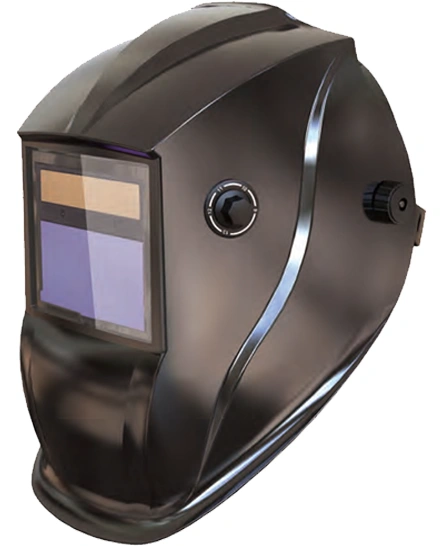
Pass ifthe supplier confirms drawing-based design work for respiratory protective devices and can combine a PAPR with a chosen welding helmet design.

05

Warranty and failure handling

Ask: what is covered, for how long, and who pays return freight?

Pass ifthe warranty length, the covered components — blower, battery and filter housing — and the claim route are stated in writing before the order.

06

Sample policy

Ask: what is the sample lead time and cost, and is it credited against production?

Pass ifsample terms are fixed before deposit and the sample is built to the same specification as the volume units that follow.

07

Audit readiness

Ask: can we visit the plant or receive a recent third-party audit report?

Pass ifa factory visit is accepted, batch records and traceability can be shown, and the person accountable for corrective actions is named.

Manufacturing & Capability Profile

Manufacturing depth shows up in what a supplier controls directly: tooling, assembly, performance checks and the after-sales parts line. These are the capability pillars worth probing in a factory conversation.

20+ yrsPPE manufacturing background in respiratory and welding protection
In-housePAPR systems plus an auto-darkening welding helmet range
Drawing-basedCustom respiratory protective device design for OEM programs
Quote-drivenProject supply model — no retail checkout or list pricing
Capability 1

Design and tooling

Who owns the drawings behind the hood, the blower housing and the filter interface, and how fast can a change be tooled?

Capability 2

Assembly and integration

Whether blower, battery pack, belt and headgear are assembled and tested on the same site the certificate refers to.

Capability 3

Performance checks

How airflow, noise and battery behavior are verified on finished units instead of relying on component datasheets.

Capability 4

Parts continuity

Whether replacement batteries, filters and headgear stay available after the first shipment and for how long.

A program built on these four pillars is easier to audit: the certificate, the assembly line and the spare-part warehouse belong to the same organization, so a corrective action has a single owner. Ask for the four answers in writing and compare them against the quotation you receive.

GL-PA100 Compliance & Performance File

Every figure below comes from the current GL-PA100 specification. Use it as the benchmark to check that a quotation describes the same build you tested.

EN 12941 TH2P P3 filter 0.9997 filter efficiency Max 65 dB 995 g
Model GL-PA100 PAPR
Flow rate 180 – 220 L/min
Filter type P3 (P R S L)
Filter efficiency 0.9997 (99.97%)
Battery type Li-Ion rechargeable
Battery voltage / capacity 7.4 V / 5200 mAh
Charging cycles > 500 cycles
Operating time Low flow 9.5 – 10 h; high flow 4.5 – 5 h
Charge time Approximately 4 – 5 hours
Operating condition 0 °C to +60 °C, < 90% RH
Noise Max. 65 dB
Weight 995 g
Certification EN 12941 TH2P
Respiratory Protective Device Compressed Air System PA100 by Goldland

GL-PA100 PAPR — the certified build referenced throughout this dossier.

Blower, battery and headgear configuration — confirm the exact configuration in your quotation.

✓

Top-class protection against alveolar-penetrating particles — smoke, aerosols and dust — with up to 500 times clean breathing air.

✓

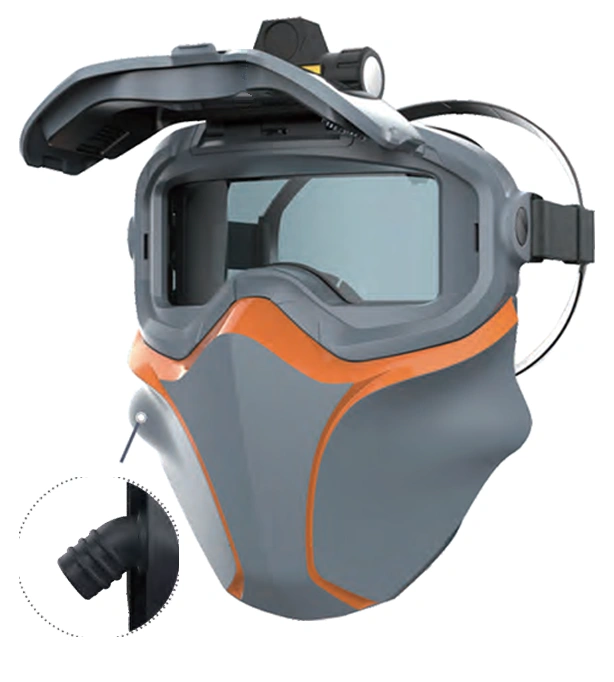
Even air distribution in the fresh air helmet without eye irritation.

✓

Adjustable airflow from 180 to 220 L/min lets one blower unit cover lighter dust duty and heavier fume duty.

Scenario-to-Specification Decision Map

Match the working environment to the configuration and battery plan you should be asking for, then check the request against the specification table above.

Welding and fume, full shift

The heaviest duty cycle in the range.

Specify: high flow rate setting with a second battery pack.
Why: high flow delivers 4.5 – 5 h per charge, so a spare keeps one unit running across a double shift.

Light dust, extended wear

Long wear time matters more than peak airflow.

Specify: low flow rate setting with a single battery.
Why: 9.5 – 10 h at low flow and a 995 g total weight suit lower-intensity exposure over a long shift.

Hot process areas

Ambient heat affects both comfort and battery behavior.

Specify: written confirmation of the operating envelope for your site.
Why: the specification lists 0 °C to +60 °C with relative humidity below 90%.

Mixed helmet inventory

Operators rotate between helmet models and tasks.

Specify: modular pairing instead of a fixed hood only.
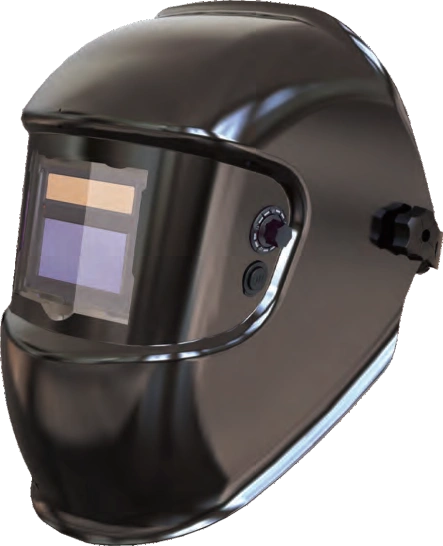
Why: multiple PAPR units and various welding helmet designs can be combined and matched.

Noise-sensitive cells

Wearer tolerance and site noise rules both apply.

Specify: the noise figure stated on your quotation.
Why: maximum 65 dB is the published limit — ask for the measured value in writing.

Multi-operator fleet

Units are shared and charged continuously.

Specify: a battery rotation and replacement plan.
Why: packs are rated for more than 500 charge cycles, so replacement timing can be scheduled rather than discovered.

OEM / ODM Customization Pathway

Custom respiratory protective device designs can be made according to the drawings provided by customers, and multiple PAPR and various welding helmet designs can be combined and matched. The pathway runs in four steps.

1

Inquiry and scope

Share the working environment, target annual volume, helmet or hood preference and any branding requirement.

2

Drawing and specification review

Send your drawing or a reference sample. The airflow path, head interface and filter position are reviewed against the standard PA100 build.

3

Sample or prototype

A prototype is produced so fit, flow and wearer comfort can be checked in your own environment before tooling is committed.

4

Validation and production

The approved sample locks the specification; production, packaging and documentation then follow that approved build.

Respiratory Protective Device Compressed Air System PA100 by Goldland

The GL-PA100 is the standard build that custom programs start from.

Drawing-based design

Custom respiratory protective device designs built to customer drawings, including hood and head interface changes.

Helmet matching

Pair the PAPR blower with selected auto-darkening welding helmet designs from the same range.

Branding and packaging

Logo placement, packaging artwork and minimum order quantities are agreed at quotation stage, per project.

Order & Supply Terms

Commercial terms for a PAPR program are set per project. These six points should be fixed in writing before a purchase order is raised — none of them should stay verbal.

Volume and mix

State annual volume, the model mix of blower units, hoods, filters and batteries, and whether you want single shipments or scheduled releases.

Confirm in writing

Sample terms

Agree sample cost, sample lead time and whether the sample charge is credited against the first production order.

Confirm in writing

Lead time and shipping

Fix production lead time from deposit, plus Incoterms, port of loading and the export packaging standard.

Confirm in writing

Payment terms

Set deposit and balance percentages, currency, and which documents are released at each payment stage.

Confirm in writing

Warranty and spares pricing

Record warranty length, covered components, and the price and availability of replacement batteries and P3 filters.

Confirm in writing

Documentation pack

Decide which certificates, performance records, packing lists and declarations travel with each shipment.

Confirm in writing

Supply-Chain Reliability & After-Sales

A respiratory program fails quietly when batteries, filters or blower units run out. Ask for continuity commitments before the second order, not after.

GL-PA100 PAPR respiratory protective device by Goldland

Battery and filter continuity should be agreed before volume orders are placed.

Battery continuity

The 7.4 V / 5200 mAh Li-Ion pack is a consumable rated for more than 500 cycles. Ask for replacement lead time and a stock-holding commitment for the life of the program.

Filter supply

The P3 filter is the routine replacement item. Confirm SKU continuity, pack quantity and price stability at your annual volume.

Blower and headgear parts

Confirm availability of blower units and head or helmet spares, plus the repair-or-replace policy for out-of-warranty units.

After-sales routing

Name the contact, the response window and the freight responsibility for a warranty claim before you place the volume order.

Request a Quote for Your PAPR Program

Send four things and the reply comes back as a configured quotation rather than a brochure. Supply is quote-driven, so the more context you provide, the more precise the terms.

  • Model and quantity — blower units, hoods, filters and batteries
  • Customization — drawing-based design, branding or packaging
  • Destination country and preferred Incoterms
  • Target delivery window and sample requirement
Start Your Project
Respiratory Protective Device Compressed Air System PA100 by Goldland

Related Reading

Three notes to help clarify product requirements before contacting the supplier.

PAPR and Passive Respirators Differ for Industrial Dust and Fume

Both respirator designs send dusty air through a filter, but only one asks the wearer to supply the airflow.

Read article

PAPR Respirator Manufacturers and Suppliers in Industrial Supply Chains

In an industrial PAPR supply chain, manufacturers usually define and produce the product while suppliers move it closer to the workplace.

Read article

Lightweight PAPR Design for Long Welding Shifts

A 995g PAPR blower unit can feel very different from the total weight a welder actually wears, and that difference drives comfort and compliance.

Read article

Frequently Asked Questions

what information is shown for this product?

review the product details, images, and specifications presented on the official product page.

where can i check the intended application?

use the application and use-case information published on the official product page.

which specifications should i confirm before ordering?

confirm the specifications and options listed for the exact product variant before placing an order.

where can i check available options?

check the official product page or ask the supplier about options shown for the selected product.

how can i request product information?

use the official contact or inquiry path provided on the site.

what should i include in an inquiry?

include the product page, intended use, required quantity, and any specifications you need the supplier to review.

Leave a message
Name *
Email *
Message *
Verification code *
Click to verify
We use Cookie to improve your online experience. By continuing browsing this website, we assume you agree our use of Cookie.